
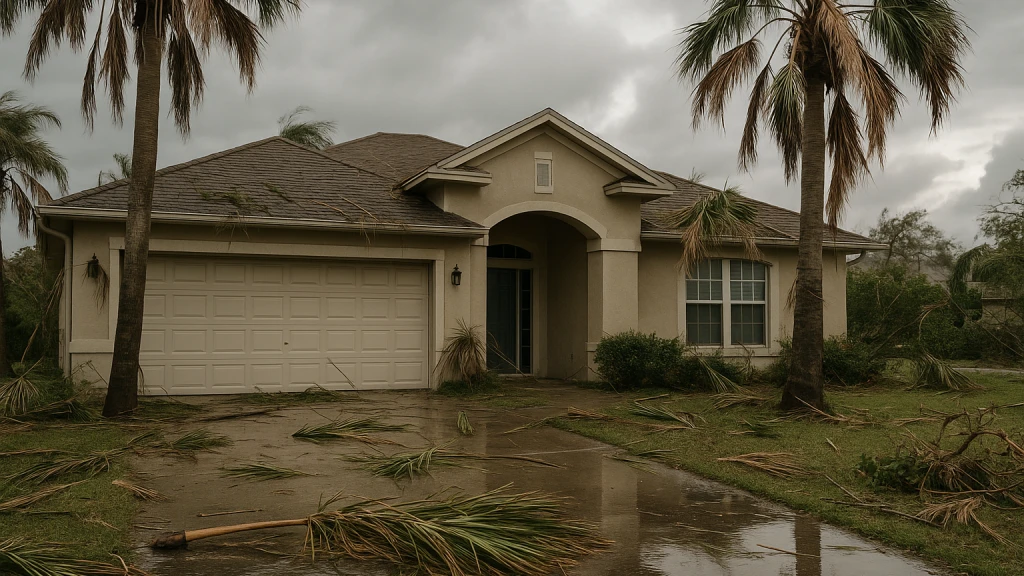
First: safety before cleanup
Before anything else, make sure the home is safe to be in. Don't enter standing water if the power is on or if outlets and the electrical panel are wet — shut off electricity at the breaker only if you can do so safely and without standing in water, or wait for an electrician or the utility. Watch for structural damage, gas smells, and contaminated floodwater, which can carry sewage and debris. If the water came from outside — rising ground water, a flooded pond, a storm surge — treat it as contaminated and wear protection (rubber boots, gloves, an N95 or better). Your safety comes before your drywall every time. If conditions are dangerous, wait for professionals.
The 24–48 hour clock
Once it's safe, speed becomes everything, because in Florida's heat and humidity mold can begin growing in soaked materials within 24 to 48 hours. A home dried fast often avoids mold remediation entirely; a home left to “air out” on its own, especially one that lost AC after the storm, very often doesn't. So the goal in those first hours is simple: stop more water from entering, get the standing water out, and start aggressive drying. Everything below serves that timeline.
The step-by-step sequence
- 1. Document everything first. Before you remove or dry anything, photograph and video all the damage — standing water, soaked materials, damaged belongings. This is essential for your insurance claim.
- 2. Stop the water source. Tarp a damaged roof, cover broken windows, and stop any ongoing intrusion if you safely can.
- 3. Remove standing water. Use a wet/dry vac, pump, mops, and towels to get water out as fast as possible.
- 4. Pull up soaked soft materials. Remove wet carpet and padding so the slab beneath can dry; if water was contaminated, discard porous materials it touched.
- 5. Start aggressive drying. Run every fan and dehumidifier you have. Open windows only if the outside air is drier than inside — on a humid Florida day, that may not help.
- 6. Get air moving in wall cavities. Removing baseboards and drilling small weep holes can help walls dry, but this is often best left to a pro who can verify it's working.
- 7. Get a professional moisture assessment. The materials that matter most — wall cavities, subfloor, insulation — can't be judged by touch.
Clean water vs. contaminated water
How you handle materials depends on what kind of water it was. Clean water from a roof leak or a supply line, dried quickly, often leaves drywall, framing, and even some flooring salvageable. Contaminated water — anything that rose from the ground, a flooded retention pond, or a backed-up drain — carries bacteria and debris, and the rules change: porous materials it soaked (drywall, carpet, pad, insulation) generally must be removed and discarded, not dried, and the area needs disinfection. When in doubt, treat storm floodwater as contaminated. This distinction drives the whole scope of the work, and it's one of the first things a professional responder determines. Our storm-damage mold page covers the remediation side.
Insurance and documentation
Storm water sits at a tricky insurance intersection in Florida. Standard homeowner policies often cover sudden water damage from a covered event — like wind-driven rain through a storm-damaged roof — and resulting mold up to a sublimit, but they typically exclude flood, which is covered only under separate NFIP or private flood policies. Two things help your claim regardless: documenting thoroughly before you remove anything, and mitigating promptly, because insurers expect you to act fast to limit damage. A documented, professional drying effort started within days is far easier to support than damage left to spread. Our overview of Florida mold and insurance explains the coverage picture.
After the drying: check before you rebuild
The most important rule for the days after a storm: don't close walls back up or rebuild until the structure is verified dry, not just dry to the touch. Surfaces dry far faster than the wall cavities, subfloor, and insulation behind them, and rebuilding over trapped moisture grows mold inside a fresh wall. A professional confirms dryness with moisture meters before any reconstruction. Even if your home seemed to dry fine on its own, a quick check of ceilings, window walls, and ground-level rooms after a hard storm is cheap insurance against a hidden problem months later. If your Kissimmee home took on water, tell us what happened and we'll connect you with a licensed local pro — fast — for an assessment.