
The Downtown Kissimmee moisture picture
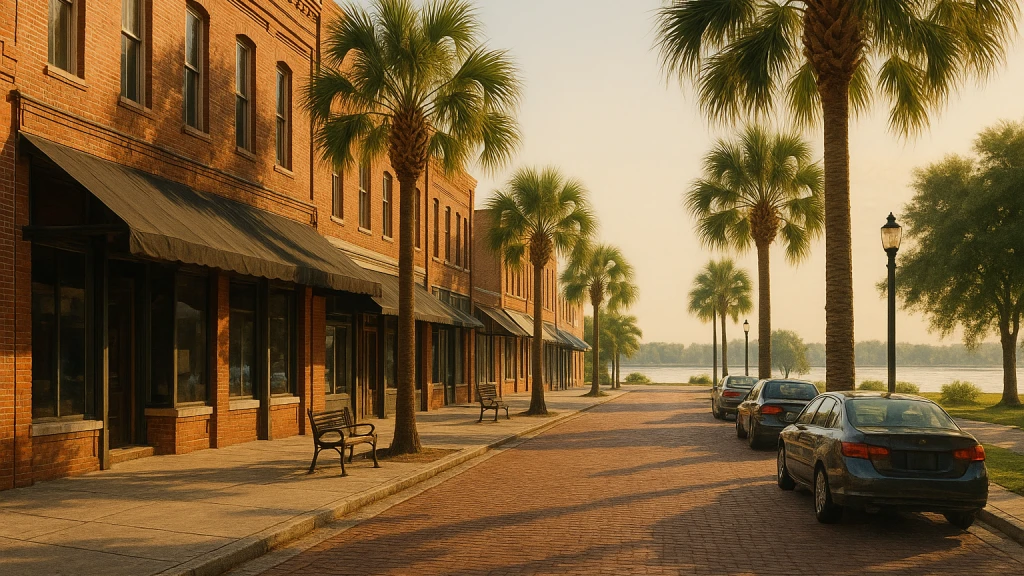
The heart of Kissimmee — the historic district around Broadway and the blocks running down toward the Lake Tohopekaliga lakefront and the Kissimmee Lakefront Park — holds some of the oldest homes in Osceola County. Bungalows and frame houses from the early 1900s sit alongside mid-century block homes and newer infill, all within reach of the lake's persistent humidity. That combination of age and proximity to water shapes the mold problems here. These aren't typically homes that flood in a dramatic event; they're homes where decades of small leaks, original plumbing, and a damp microclimate have had a long time to work.
Living near Lake Toho is part of the appeal and part of the challenge. The lake keeps the surrounding air humid, the water table runs high near the shore, and the older homes nearest the waterfront were built before modern moisture barriers and vapor control were standard. The result is a housing stock where moisture tends to enter low and slow — wicking up through slabs and block walls, seeping from tired plumbing — rather than pouring in from above.
Old construction, modern humidity
The character of historic Downtown homes is exactly what makes them prone to hidden mold. Original or early-replacement plumbing develops slow leaks behind walls and under floors. Block and brick walls at grade wick groundwater, especially close to the lake. Additions and renovations layered on over a century can hide moisture barriers that no longer function and rooms that were never properly sealed. And many of these homes have had window-unit or older central AC retrofitted in, sometimes undersized or poorly drained, adding condensation to the mix. Mold in these houses tends to show up at the base of walls, inside closets on exterior walls, under sinks, and behind furniture against block walls — the quiet result of long-running moisture rather than a single event.
Common Downtown Kissimmee mold issues
- Slab and block-wall wicking near the lakefront, where a high water table pushes moisture up into walls and flooring.
- Aging plumbing leaks in original or early-replacement supply and drain lines, soaking wall cavities slowly.
- AC condensation and drainage in homes with retrofitted or undersized cooling systems.
- Closed-up humidity in seasonally occupied or rental homes in the district that aren't conditioned year-round.
- Storm and roof leaks on older roofs during the summer storm season, surfacing as ceiling stains.
What to do if you suspect mold here
Start with the water, not the stain. Because Downtown causes range from a high water table to century-old plumbing, the first question is always “where is the moisture coming from?” A licensed local inspector can map it — slab, plumbing, AC, or roof — and document it, which matters in older homes where the source is rarely obvious. From there, remediation follows the standard containment-first sequence: fix the source, seal the area, remove unsalvageable porous materials, treat and dry, and verify. We connect Downtown homeowners with independent inspectors and licensed remediation crews who understand both the historic housing stock and the lakefront moisture pattern. Explore inspection, AC and humidity, and black mold services, or sketch a budget with our cost estimator.
Preserving an older home the right way
Owners of historic Downtown homes often care deeply about keeping the character of the house intact, and good remediation respects that. The goal is to remove what's contaminated, fix the moisture, and rebuild appropriately — not to gut a charming old house unnecessarily. A pro experienced with older Kissimmee homes knows the difference between materials that must come out and ones that can be saved, and how to control humidity in a house that wasn't built for it. If your Downtown home has a musty smell, a stain that keeps returning, or that damp feeling common in older lakefront houses, get matched with a licensed local pro for a free, no-pressure assessment before a small problem becomes a structural one.