
The St. Cloud moisture picture
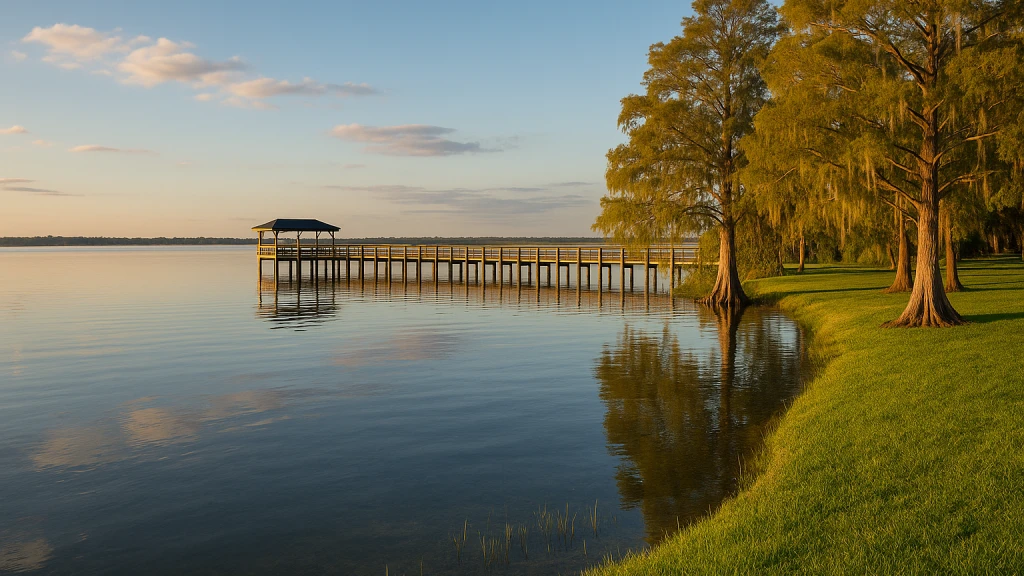
St. Cloud, just east of Kissimmee on the shore of East Lake Tohopekaliga, has two faces, and both shape its mold profile. There's the historic side — the original downtown grid near the lakefront, with older homes that carry the same age-and-humidity issues as any older Florida housing stock. And there's the explosive-growth side — the new subdivisions pushing south and east along Narcoossee Road, Nova Road, and toward the Turnpike, full of brand-new slab homes. A mold call in St. Cloud might be a 1920s house near the lake or a three-year-old house in a new community, and the moisture stories are different.
What ties them together is the lake and the climate. East Lake Toho keeps the nearby air humid and the water table high along the shore, and the whole area shares Central Florida's heat, summer storms, and total dependence on air conditioning to keep homes dry. Whether a home is old or new, the underlying battle is the same: keeping indoor moisture under control in a wet environment.
Lakefront living and new construction, side by side
Near the lake and in the historic core, the issues skew older-home: aging plumbing, slab and block-wall wicking from a high water table, retrofitted AC, and roofs that leak in summer storms. Out in the new subdivisions, the issues skew newer-home, which surprises people who assume new means problem-free. New construction can trap building moisture in materials that were closed up before fully drying; oversized AC systems cool without dehumidifying; bath and dryer fans get vented into attics by hurried builders; and flat, freshly graded lots can hold water until landscaping and drainage mature. Both ends of town also share the lakefront-area storm and flood exposure that comes with living near a large Central Florida lake.
Common St. Cloud mold issues
- Lakefront humidity and high water table near East Lake Toho, wicking moisture into older homes by the shore.
- Older-home plumbing and AC issues in the historic downtown grid.
- New-construction moisture — trapped building moisture, oversized AC, and attic-vented bath fans in recent subdivisions.
- Storm and roof leaks during hurricane season across both old and new housing.
- Drainage on new, flat lots south and east of town where grading and landscaping are still maturing.
What to do if you suspect mold here
Because St. Cloud homes vary so much, the right first step is an assessment matched to your home's age and setting. For an older lakefront home, that means looking hard at the water table, plumbing, and AC; for a new subdivision home, it means checking for trapped construction moisture, AC sizing, and how the bath fans actually vent. A licensed local inspector reads the moisture and recommends a scope either way. We connect St. Cloud homeowners — historic and brand-new alike — with independent inspectors and licensed crews who know the area. Start with an inspection, look at AC and humidity or storm-damage services depending on your situation, or run the numbers on our cost estimator.
New home or old, the humidity rules are the same
One message worth repeating to St. Cloud's many new-construction owners: a brand-new home is not immune to mold. It depends on its AC and humidity control exactly like an older one, and some new-build details — oversized systems, improperly vented fans, trapped moisture — actually make the early years a vulnerable time. Keeping indoor humidity in check, making sure the AC dehumidifies and not just cools, and addressing any musty smell or stain early applies to a three-year-old house as much as a ninety-year-old one. If your St. Cloud home is showing signs of moisture, tell us what's going on and we'll match you with a licensed local pro for a free, no-pressure assessment.